The History of Whiskey
1. Introduction — What Whiskey Is and Why Its History Matters
Whiskey (or whisky) is more than a strong drink made from grain: it’s a product of agriculture, geography, trade routes, technology, and law. The spirit’s history helps explain why Scotch can taste smoky, why bourbon must be aged in new charred oak, why Irish whiskey is often associated with a smoother profile, and why some countries spell it whiskey while others prefer whisky.
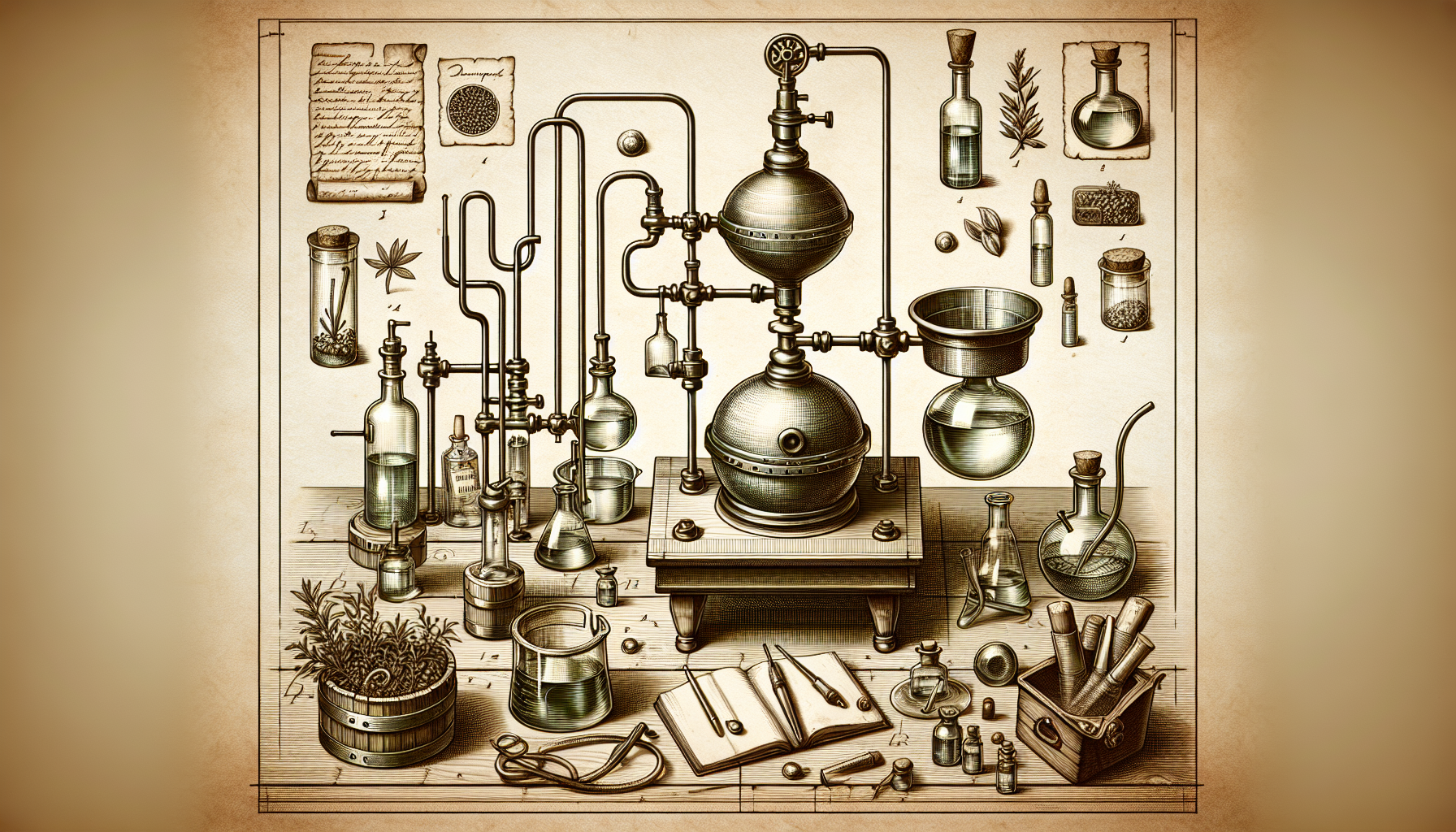
Tracing whiskey’s evolution—from early distillation experiments to today’s global boom—also reveals a recurring theme: whenever governments taxed or restricted it, producers adapted, innovated, and sometimes went underground. Whenever trade expanded, new styles followed.
2. Defining Whiskey — Core Ingredients, Distillation, Aging, and Key Terms
At its core, whiskey is a distilled spirit made from fermented grain and typically aged in wood. The exact definition varies by country, but the fundamentals remain remarkably consistent.
What whiskey is made from
- Grain: commonly barley, corn (maize), rye, and wheat.
- Water: influences fermentation and proofing; local chemistry can shape character.
- Yeast: converts sugars into alcohol and creates flavor compounds during fermentation.
- Wood aging: usually oak; time in barrel transforms raw distillate into a mature spirit.
How whiskey is made (simplified)
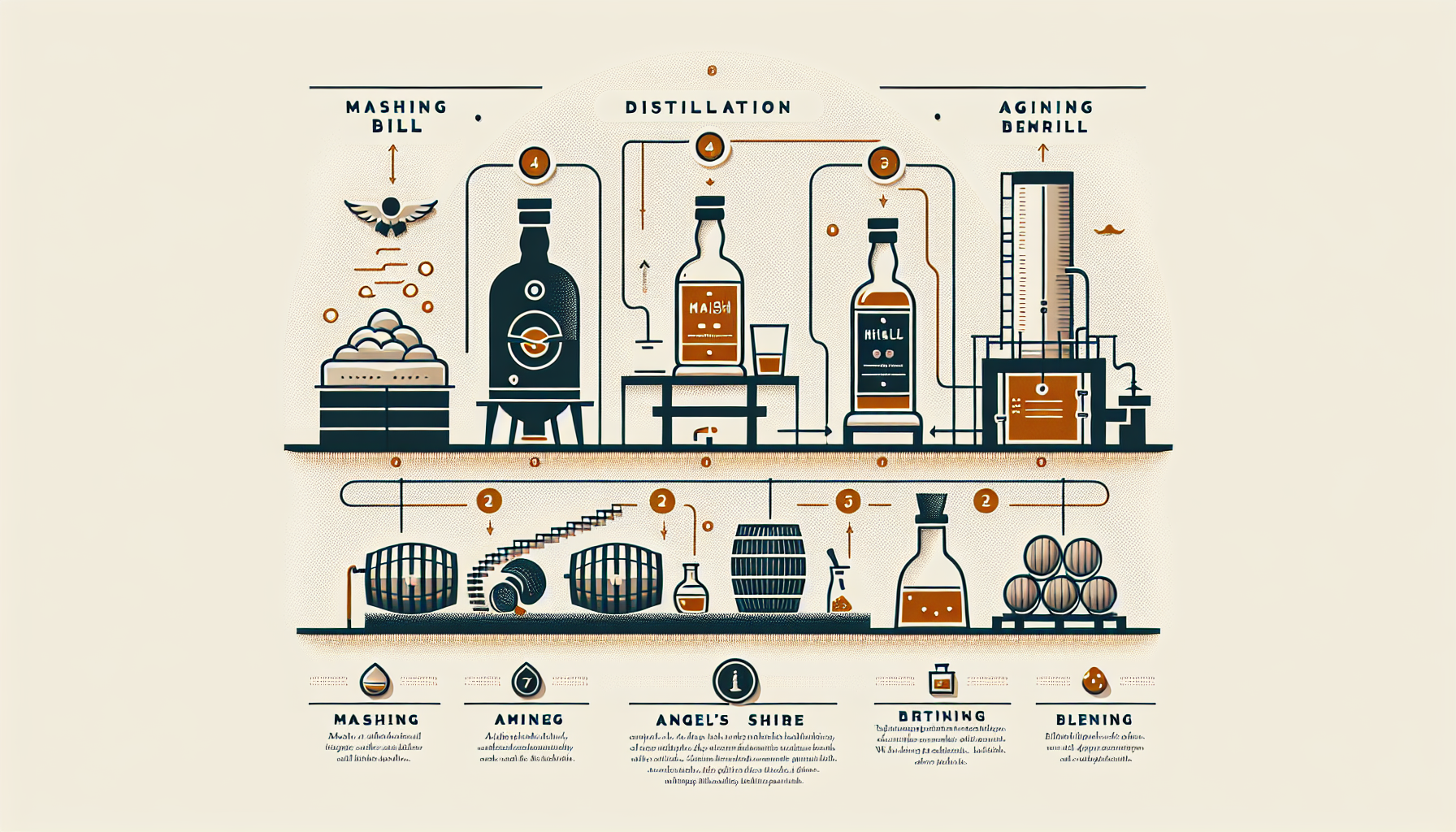
- Mashing: grain starches are converted into fermentable sugars (often via malting or enzymes).
- Fermentation: yeast turns sugars into alcohol, creating a beer-like “wash.”
- Distillation: alcohol and aromatic compounds are concentrated.
- Aging: the spirit rests in barrels, extracting wood compounds and mellowing over time.
- Blending or bottling: producers may blend barrels or distilleries, or bottle a single batch.
Quick glossary callouts (for readers)
Mash bill: The recipe of grains used (e.g., 70% corn, 20% rye, 10% malted barley).
Malt: Grain (often barley) germinated and dried to activate enzymes needed for sugar conversion.
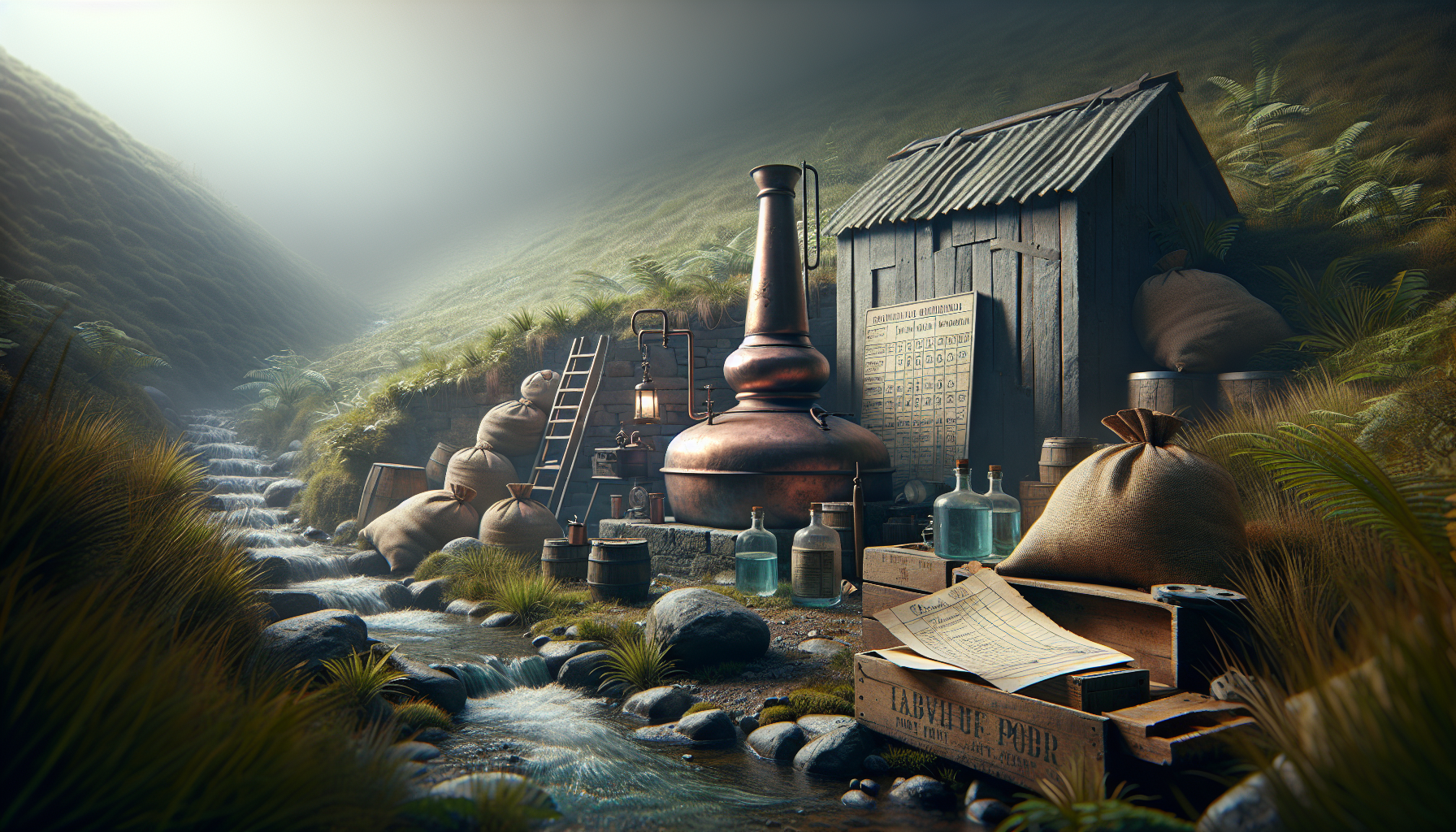
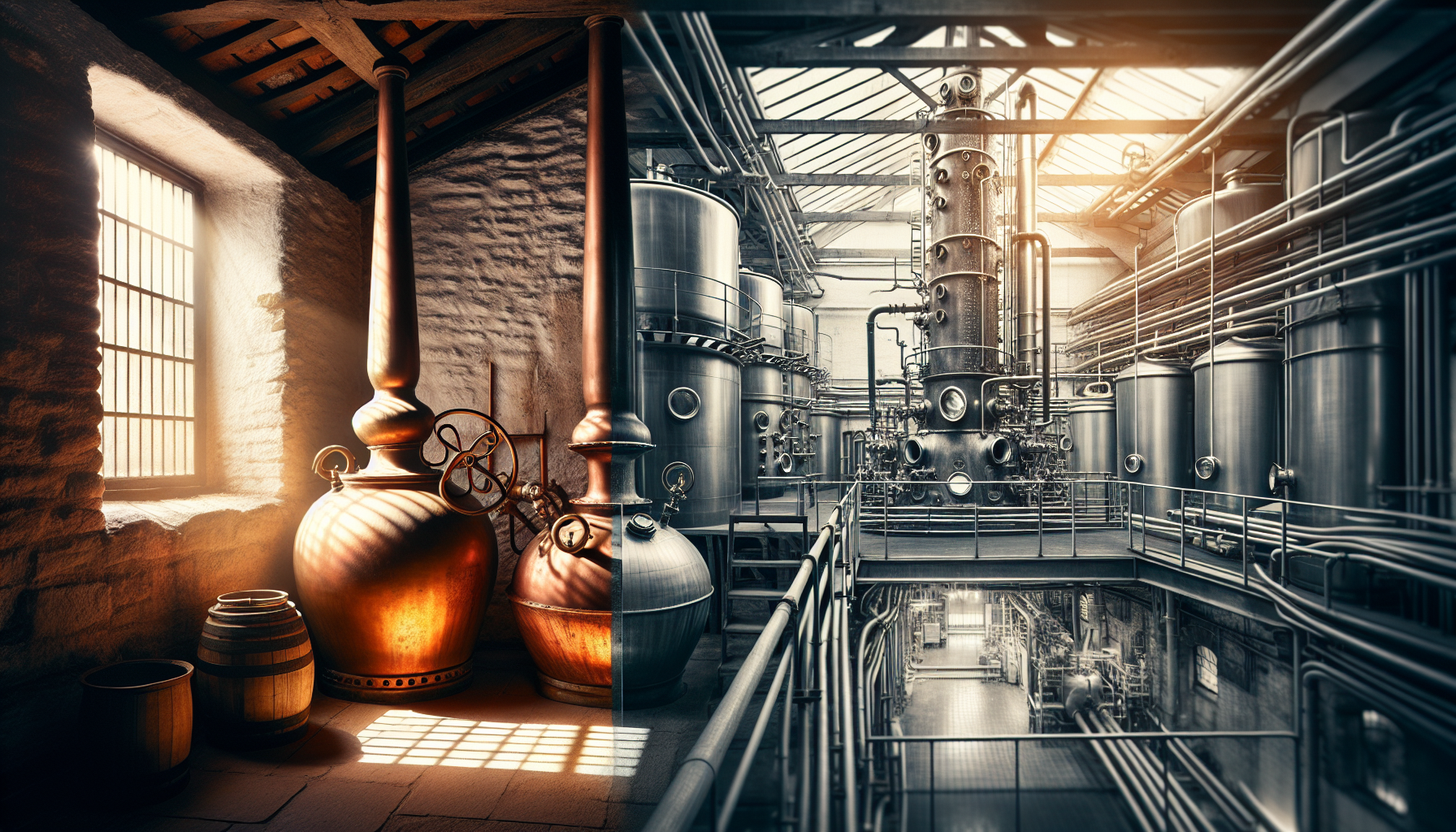
Pot still vs. column still: Pot stills often yield heavier, more characterful spirits; column stills can produce lighter spirit efficiently.
Angel’s share: Evaporation loss from barrels during aging.
Terroir (in whiskey): A debated term—often used to describe local influences such as climate, barley type, peat, cask sourcing, and maturation conditions.
3. Origins of Distillation — From Ancient and Medieval Practices to Europe
Whiskey’s story begins with distillation, a technique developed long before anyone used it to make grain spirit in Ireland or Scotland.
- Ancient roots: Distillation-like apparatus existed in the ancient world (notably in Hellenistic and later Arabic contexts), primarily for perfumes, medicines, and alchemy, not recreational drinking.
- Medieval transmission: Distillation knowledge spread through scholarship, trade, and translation across the Middle East and Europe. Monastic and university settings helped preserve and refine technical methods.
- From wine to grain: In southern Europe, early distilled beverages often began with wine or fruit. In northern climates—where grapes were less reliable—grain became the practical base.
Key point: No single person “invented” whiskey. The technique evolved over centuries, and the spirit category formed gradually as distillation met local grains and local customs.
4. Etymology and Early Records — ‘Uisce Beatha’ and the First Written Mentions
The word whiskey traces back to the Gaelic uisce beatha (Irish) / uisge beatha (Scottish Gaelic), meaning “water of life.” This reflects a broader European tradition: many languages used “water of life” terms for early distilled spirits, emphasizing medicinal or restorative associations.
Early documentary milestones
- Ireland: A frequently cited early reference appears in Irish records from the early 15th century, noting a death after consuming uisce beatha. Such mentions suggest the spirit was already familiar enough to be recorded.
- Scotland: A commonly referenced entry from the late 15th century notes malt supplied for making aqua vitae—evidence of grain-based spirit production.
These records don’t mean whiskey suddenly “began” on those dates; they mark when the spirit became visible in official writing.
5. Ireland and Scotland — Monastic Influence, Farm Distilling, and Regional Styles
Monastic and medical origins (and what’s myth vs. plausible)
A popular story credits monks with “inventing” whiskey. A more defensible version is this: monastic communities and learned networks helped preserve and circulate distillation techniques, and early spirits were often framed as medicinal. But whiskey as we recognize it emerged from broader rural production and local experimentation.
Farm distilling and local identity
For centuries, distilling in Ireland and Scotland was often:
- small-scale
- tied to harvest cycles
- shaped by available grains
- influenced by fuel sources (notably peat in parts of Scotland)
Why Scotland developed strong regional contrasts
Geography and resources created distinct emphases:
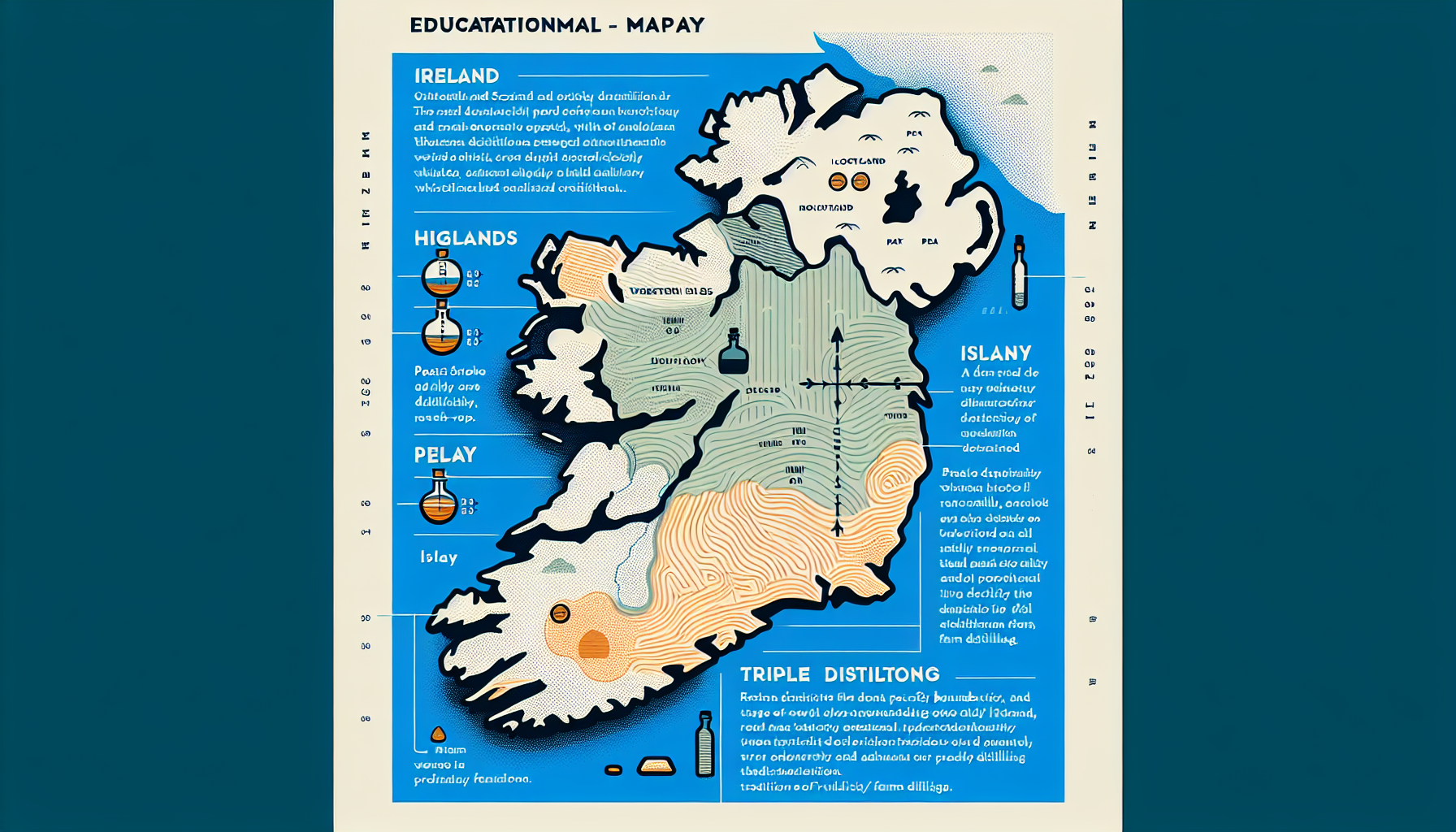
- Highlands and Islands: more remote, with varied microclimates; in some areas, peat smoke became a defining marker through malt drying.
- Lowlands: closer to trade centers; historically associated with lighter styles and, later, industrial efficiencies.
Ireland’s distinctive path
Irish whiskey became known (broadly speaking) for:
- the frequent use of triple distillation (though not universal)
- a tradition of blended styles
- periods of historic prominence in export markets
6. Taxation, Illicit Distilling, and Regulation — How Law Shaped the Spirit
Whiskey’s development is inseparable from government attempts to tax it.
Taxes as an engine of change
When authorities taxed:
- malt
- stills
- production volume
- barrels and transport
…producers responded with both innovation and evasion.
Illicit distilling and its legacy
Smuggling and unlicensed distilling flourished when legal production became too expensive or too bureaucratic. This era matters because:
- it pushed production into remote areas
- it encouraged techniques aimed at maximizing yield
- it cemented whiskey’s cultural ties to local identity and resistance to distant authority
Regulation eventually creates “categories”
Over time, legal definitions began to shape what producers could call their spirit—laying the groundwork for protected terms and national standards. Modern whiskey categories owe as much to law and taxation as they do to taste.
7. The Rise of Modern Scotch — Industrialization, Blending, and the Whisky Boom
Industrial tools change the spirit
The 19th century brought major shifts:
- improved still design and engineering
- broader use of column stills for grain whisky
- expanded cooperage and shipping networks
- more consistent bottling and branding
Blending becomes a revolution
Blending—combining malt whisky with lighter grain whisky, and marrying batches for consistency—helped Scotch:
- scale for global markets
- deliver reliable flavor year to year
- build recognizable brands
This wasn’t merely a commercial trick; it was a technological and logistical solution to the variability of small-batch production.
Trade and timing: Scotch finds an opening
Global trade routes and changing consumer preferences helped Scotch spread. External disruptions to competing spirits at various times (such as brandy supply issues) also created openings for whisky in international markets.
8. Whiskey in America — Colonial Roots, Rye, and the Birth of Bourbon
Early American distilling
In colonial America, distilling reflected what farmers could grow:
- Rye thrived in parts of the Northeast and Mid-Atlantic, making rye whiskey a natural early staple.
- Corn was abundant in other regions, laying the groundwork for corn-forward styles.
The Whiskey Rebellion and the meaning of taxation
A federal excise tax on distilled spirits in the 1790s helped trigger unrest among frontier producers, illustrating how deeply whiskey was tied to:
- local economies
- transport realities (whiskey was easier to ship than raw grain)
- political identity
Bourbon: geography, corn, and barrels
Bourbon’s evolution is linked to:
- corn-heavy mash bills
- frontier production and river transport
- the eventual standardization of aging in new charred oak (later written into law)
“Bourbon County invented bourbon” is too neat; like most whiskey history, the reality is a blend of regional practice, trade, and later naming conventions.
9. 19th–Early 20th Century Turning Points — Bottled-in-Bond, Phylloxera, and Global Trade
Bottled-in-Bond and consumer trust (U.S.)
As industrialization expanded, so did concerns about adulteration and inconsistent quality. The U.S. Bottled-in-Bond system (a late-19th-century legal standard) helped by defining:
- government supervision
- minimum aging requirements
- consistent proof and labeling rules
It became a landmark in consumer protection and whiskey credibility.
Phylloxera and shifting global demand
The phylloxera pest devastated European vineyards in the late 19th century, disrupting brandy and wine supplies for years. In many markets, this created space for other spirits—including whisky—to gain ground.
Shipping, barrels, and empire-scale logistics
As shipping expanded, barrels became not just aging vessels but transport tools. Access to different cask types (ex-wine, ex-sherry, ex-bourbon) and the economics of reuse influenced regional maturation norms—especially in Scotland, where reused casks became central to style.
10. Prohibition and Its Aftermath — Collapse, Consolidation, and Changing Tastes
The shock of Prohibition (U.S.)
U.S. Prohibition devastated legal distilling:
- many distilleries closed permanently
- inventories disappeared or were consolidated
- expertise and local traditions were interrupted
After repeal, the industry that returned was smaller and more corporate, shaped by surviving firms and new regulations.
Wars and supply constraints
World wars affected whiskey worldwide through:
- grain rationing
- fuel shortages
- disrupted trade routes
- redirected industrial capacity
Even where distilling continued, production priorities and aging stock levels were often reshaped for decades.
11. Post-War Era to Late 20th Century — Declines, Brand Icons, and the Single Malt Revival
Mid-century tastes and whiskey’s downturns
In the mid-to-late 20th century, many markets shifted toward lighter drinks (including vodka), contributing to:
- declining demand for some traditional whiskies
- closures and consolidation in Scotland and elsewhere
The single malt revival
Late 20th-century enthusiasts and producers helped reframe whisky as:
- a product of place and process
- something to taste, collect, and discuss
Single malt Scotch, in particular, moved from being a component of blends to a celebrated category with regional stories, distillery identities, and premium pricing.
12. Global Expansion — Japanese Whisky, New World Producers, and Emerging Regions
Japanese whisky
Japanese whisky grew from a studied adaptation of Scottish methods into a globally respected tradition, often emphasizing:
- meticulous blending
- precision in fermentation and distillation
- varied cask programs
Japan’s success also helped demonstrate that great whisky could come from well beyond the traditional heartlands.
New regions and new climates
Whisky is now made across a widening map, including:
- India: often featuring warmer aging conditions that accelerate extraction (with distinct maturation management challenges).
- Taiwan: known for rapid maturation and, in some releases, intensely aromatic profiles shaped by climate.
- Australia, France, Sweden, Israel, South Africa, and more: each shaped by local barley, climate, barrel sourcing, and legal frameworks.
As whisky globalized, debates intensified around transparency, sourcing, and what national labels should guarantee.
13. The Modern Whiskey Landscape — Craft Distilling, Transparency, and Innovation
Craft distilling’s impact
The 21st century brought a surge of smaller distilleries experimenting with:
- local grains and “farm-to-glass” models
- heirloom corn and rye varieties
- alternative yeasts and fermentation lengths
- innovative maturation strategies (while still working within legal constraints)
Transparency and labeling
Consumers increasingly care about:
- where the spirit was distilled
- whether it was sourced or house-made
- age statements and cask types
- additives and finishing methods (where permitted)
This pressure is reshaping labeling norms and, in some places, tightening standards.
Innovation within tradition
Whiskey remains conservative in some rules—especially around definitions and aging—but innovation thrives in:
- blending approaches
- cask finishing
- fermentation science
- sustainability (energy use, water stewardship, regenerative farming)
14. Categories at a Glance — Scotch, Irish, Bourbon, Rye, Canadian, Japanese (and Key Legal Notes)
Below is a simplified guide. Exact regulations are detailed and vary by jurisdiction.
Scotch whisky (Scotland)
- Made in Scotland, from water and malted barley (with other cereals allowed for grain whisky)
- Aged in oak casks in Scotland for a minimum period (commonly at least 3 years)
- Major types: Single Malt, Single Grain, Blended Malt, Blended Grain, Blended Scotch
- Geography matters: regional identity (e.g., Islay) is often discussed culturally, sometimes formally.
Irish whiskey (Ireland)
- Made in Ireland (Republic or Northern Ireland), from cereals and water
- Typically aged in wood for a minimum period (commonly at least 3 years)
- Styles include Single Malt, Single Pot Still, Grain, Blended
- “Single pot still” is a distinctive Irish category tied to mash composition and tradition.
Bourbon (United States)
- Made in the U.S.
- Mash bill at least 51% corn
- Aged in new charred oak containers
- Distilled and barreled within proof limits defined by law; commonly bottled at 80 proof (40% ABV) or higher
- Does not have to be made in Kentucky (despite the strong association).
Rye whiskey (United States / Canada—different meanings)
- U.S. rye: mash bill at least 51% rye, with rules similar in structure to bourbon regarding new charred oak.
- Canadian “rye”: often a traditional label that may or may not indicate a majority-rye mash; Canadian rules historically emphasize production and aging standards more than a strict mash bill definition.
Canadian whisky
- Typically blended, often featuring a base whisky with flavoring whiskies added
- Generally aged (commonly at least 3 years) and known for approachability and blending skill
Japanese whisky
- Long influenced by Scottish practice but now increasingly shaped by domestic standards and labeling expectations
- Known for precision, balance, and blending artistry; styles vary widely by producer and maturation program
Note on spelling: “Whisky” is commonly used in Scotland, Canada, and Japan; “whiskey” is common in Ireland and the United States. Both are correct—spelling usually reflects historical and marketing conventions more than strict technical differences.
15. Common Myths and FAQs — Clarifying Misconceptions
Myth: “A single person or country invented whiskey.”
Reality: Distillation evolved over centuries across multiple regions. Whiskey emerged when distillation met grain fermentation in places where grain was abundant and grapes were not.
Myth: “Scotch is always smoky.”
Reality: Smoke typically comes from peat used to dry malt. Many Scotch whiskies are unpeated and not smoky at all.
Myth: “Bourbon must be from Kentucky.”
Reality: Bourbon must be made in the United States, not specifically Kentucky—though Kentucky remains a major center of production.
Myth: “Older whiskey is always better.”
Reality: Age changes whiskey, but quality depends on cask, climate, distillate character, and balance. Over-aging can produce overly woody or drying flavors.
FAQ: “Why do some bottles say whisky and others whiskey?”
Answer: It’s largely a matter of tradition and regional preference. A common rule of thumb is: Ireland and the U.S. tend to use “whiskey,” while Scotland, Canada, and Japan tend to use “whisky.” Producers may also choose spellings for branding or heritage reasons.
FAQ: “Is all whiskey aged in barrels?”
Answer: Most recognized whiskey categories require aging in wood, but exact requirements vary. Unaged “white” whiskeys exist, though they may fall outside certain protected definitions depending on country.
Timeline — Key Milestones in Whiskey’s Story (Succinct)
- Ancient–Medieval era: Distillation develops for perfume, medicine, and alchemy; knowledge spreads into Europe.
- 15th century: Early written records in Ireland and Scotland reference aqua vitae/uisce beatha.
- 17th–18th centuries: Rural distilling grows; taxation increases; illicit distilling expands.
- Late 18th century (U.S.): Whiskey taxation sparks unrest; frontier whiskey culture strengthens.
- 19th century: Industrialization, improved stills, and blending transform Scotch; American whiskey scales.
- Late 19th century: Bottled-in-Bond in the U.S. supports trust; phylloxera disrupts European brandy markets.
- Early 20th century: Wars and regulation reshape production and trade.
- 1920–1933 (U.S.): Prohibition collapses legal distilling; post-repeal consolidation follows.
- Late 20th century: Single malt Scotch rises; premiumization begins.
- 21st century: Craft distilling booms and global whisky expands (Japan, India, Taiwan, and beyond).
16. Conclusion — How History Continues to Shape Today’s Whiskey
Modern whiskey is a living archive of the past. Grain choices reflect what farmers could grow; regional styles reflect fuel, climate, and water; barrel aging reflects cooperage, trade, and law; and the biggest turning points often trace back to taxation, regulation, and global disruption.
The result is not one whiskey tradition but many—interconnected by distillation science and separated by geography, policy, and culture. When you choose a smoky Islay malt, a spicy rye, a vanilla-rich bourbon, or a delicate Japanese blend, you’re tasting centuries of adaptation: to climate, to markets, to rules, and to the enduring human desire to turn grain into something memorable.
Leave a Reply